
2024 Military Child of the Year® Award Recipients
Congratulate them!
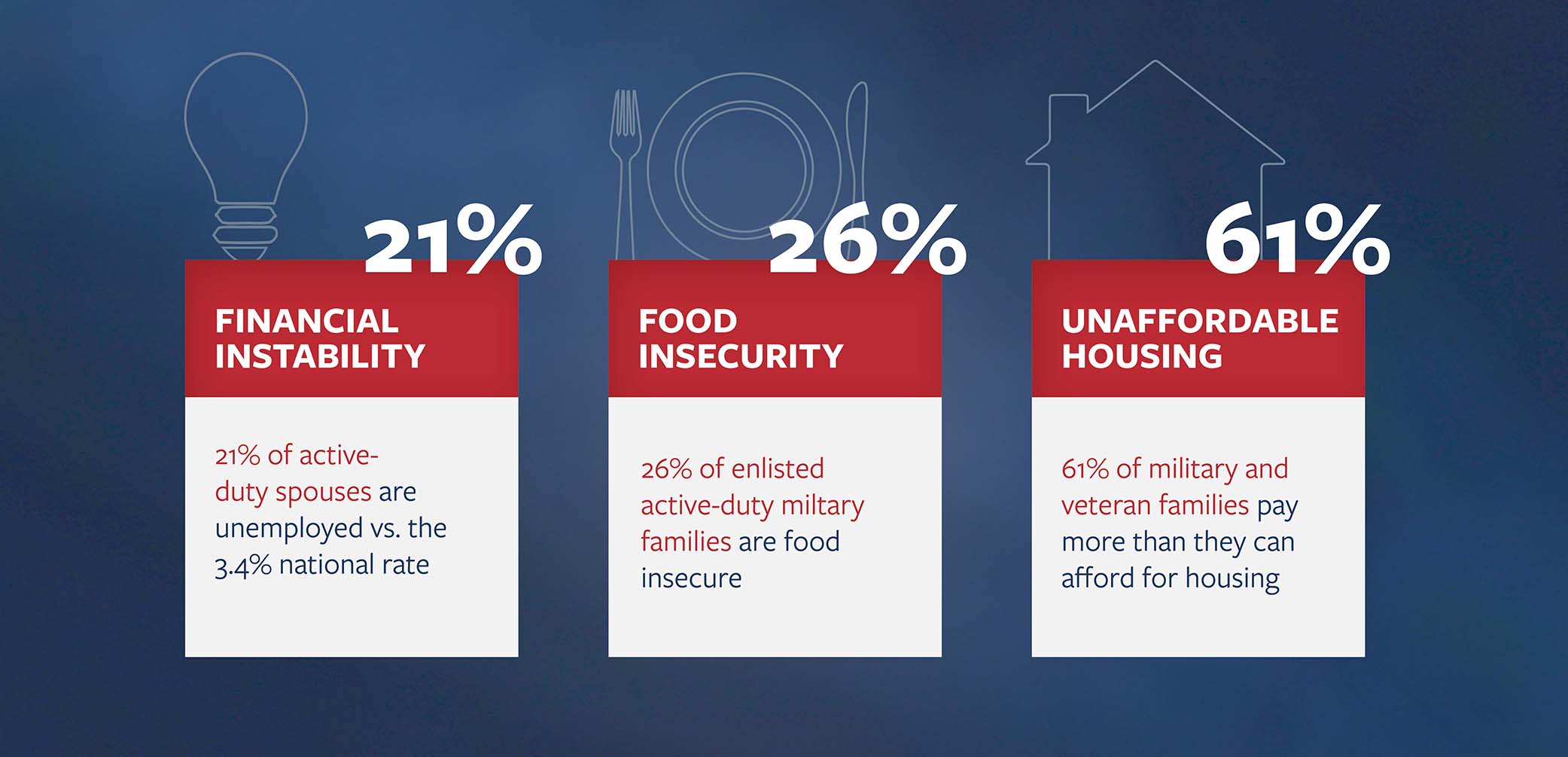
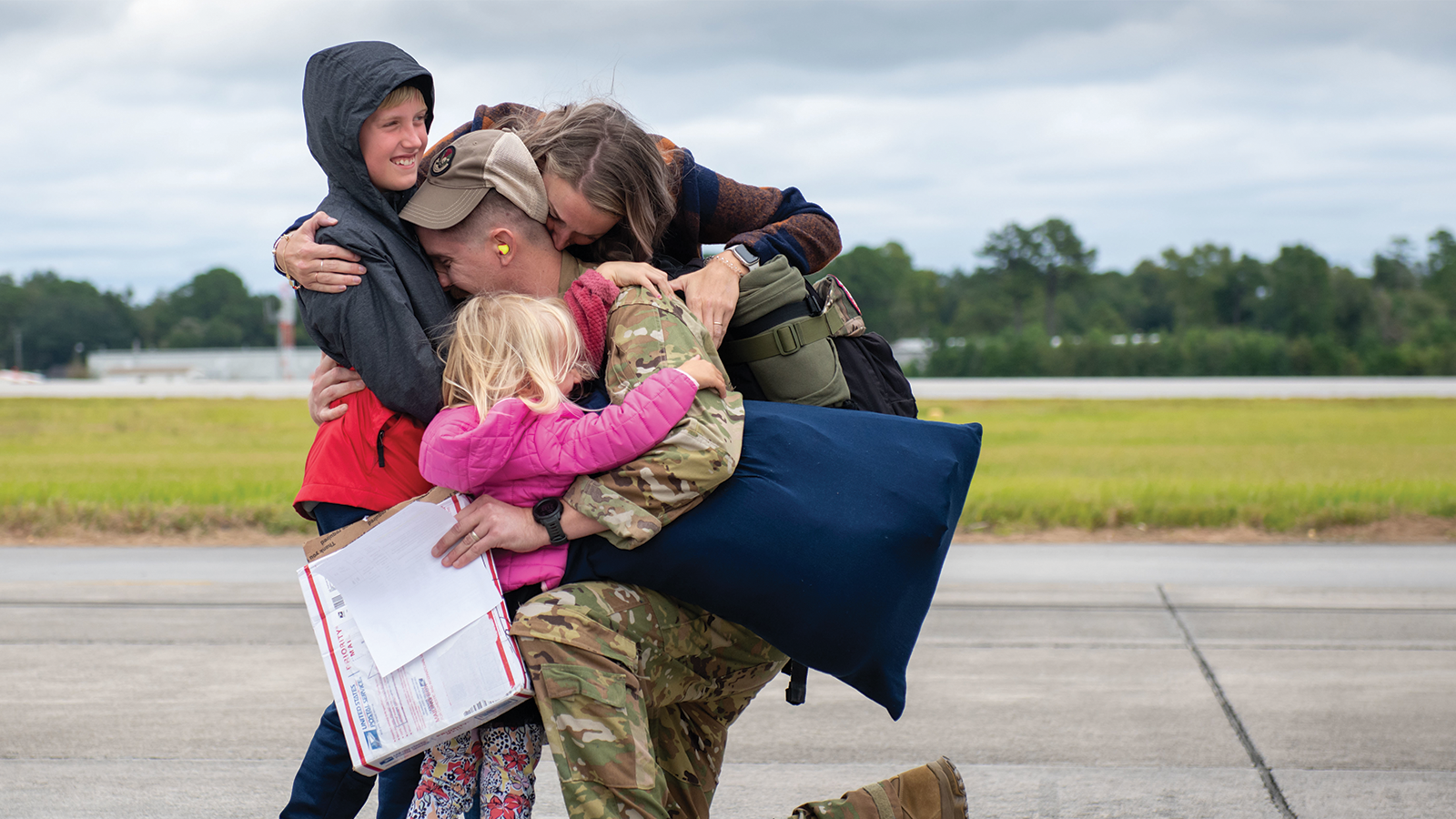
Family-Sized Impact
Our mission is to build strong, stable, and secure military families so they can thrive, not simply struggle to get by, in the communities - OUR communities - they have worked so hard to protect.
New Air Conditioner Keeps Family Safe and Cool
New Air Conditioner Keeps Navy Veteran and His Family Safe and Cool Jorge Romero joined the Navy in ...
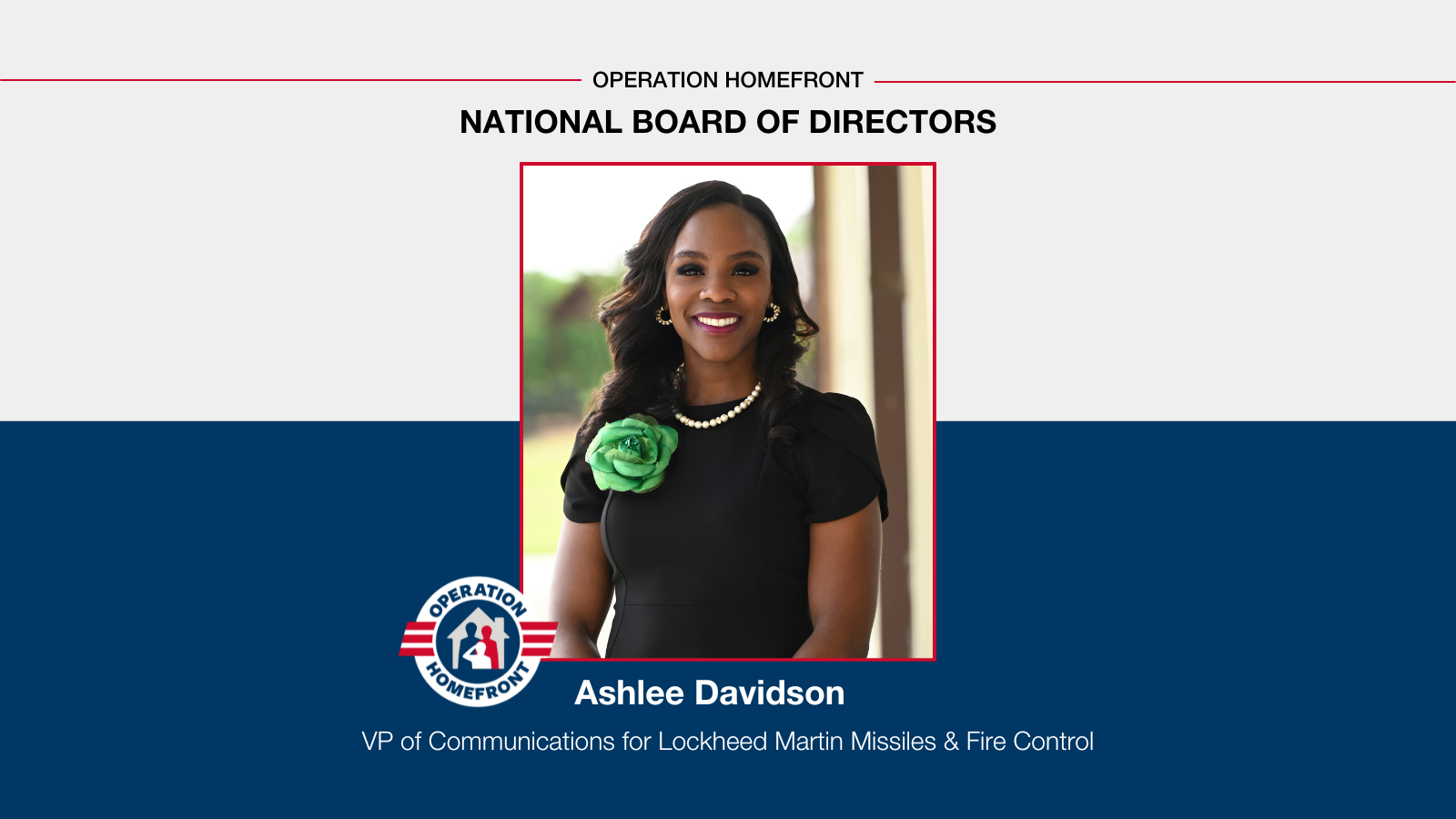
Ashlee Davidson joins Board of Directors
Ashlee Davidson joins Operation Homefront’s National Board of Directors SAN ANTONIO — Operation ...
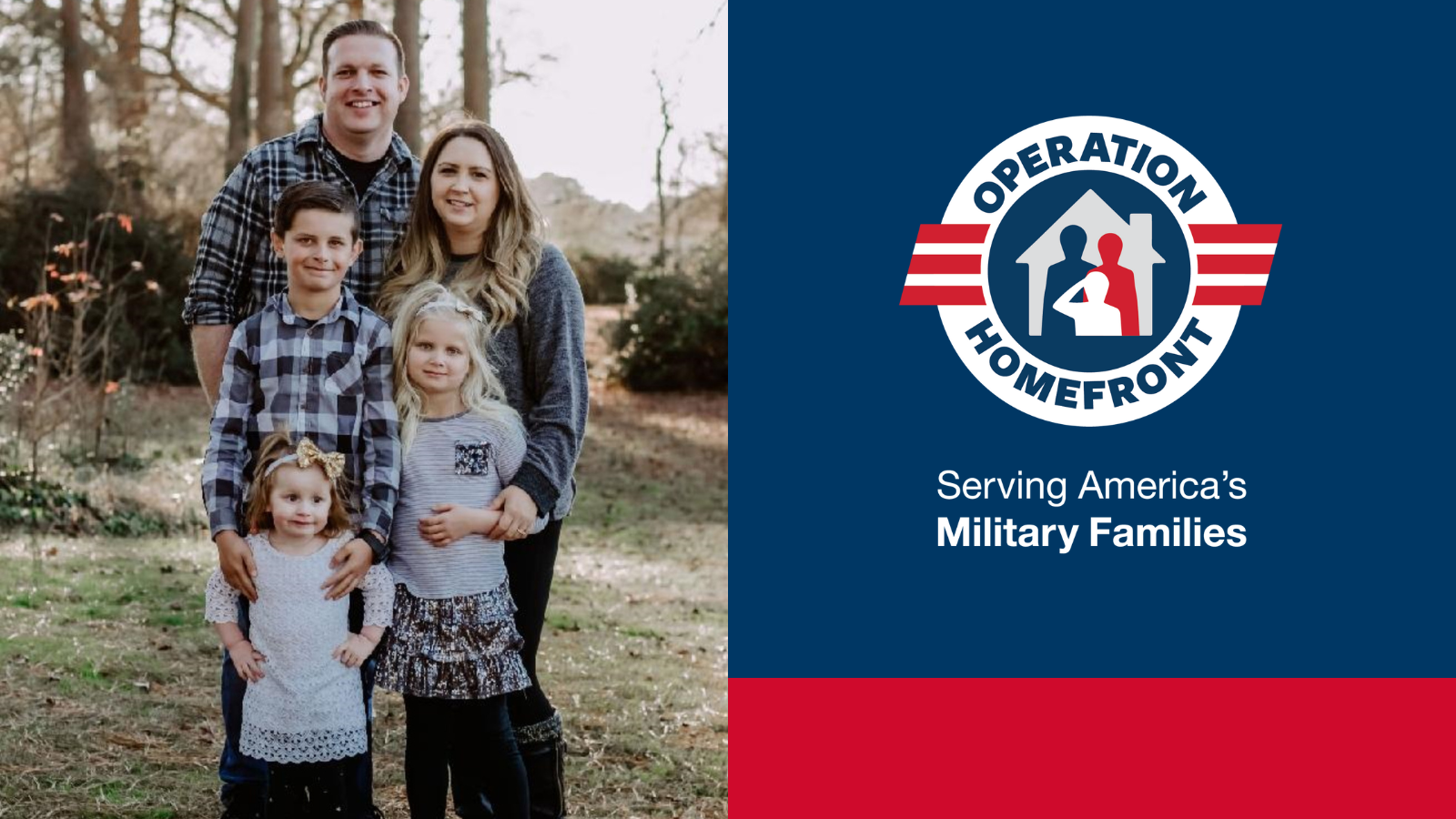
Transitional Home ‘Means the World’ to Veteran
Transitional Home ‘Means the World’ to Navy Veteran and Family After 14 moves with the militar...

Operation Homefront Presents 2024 Cornerstone Awards
Operation Homefront presents Cornerstone Awards toFederico Muyshondt of BODYARMOR Sports Nutrition, ...
Urgent Needs
-
Arizona
Air National Guardsman Struggles After Stroke
Your donation today is urgently needed to help keep this military family in their home. After passing out during drill due to what doctors believe was a stroke, this Air National Guardsman and single mom of four was put on medical leave, resulting in lost income. Because doctors haven't reached a diagnosis, a VA claim cannot be filed, and the Guardsman continues to get further behind on her mortgage. Your generosity today will make a huge difference in the lives of this family.$3,181 still needed$4,167 -
Ohio
Caregiving Army Veteran Looking for Help
An army veteran is in need of assistance with his rent payment due to becoming the primary caregiver to his two brothers following the death of their parents. One brother is disabled, can't live on his own, and needs medicine that needs to be refilled every 10 days. This veteran also helped with his uncle's funeral and paid for transportation and food for the guests. He is overwhelmed with grief, bills, and needs a helping hand to get back on his feet.$1,072 still needed$1,575 -
California
Finance Office Delay Prevents Receipt of Benefits
Backlogs in processing paperwork at the Defense finance office has delayed the office from creating the retirement account for this Navy sailor. It has been several months, and the delay is now creating a situation where a smooth transition has become more challenging due to the financial strain from being unable to receive her benefits, benefits she earned in a career of service to our country. We are asking for a gift to help with housing and utility expenses to give her the stability she needs at this critical time.$2,005 still needed$3,172
Since 2011 over
21,000
families were provided with financial assistance
Our ImpactI want the donors to know that their donation, no matter how big or small, is gigantic for the military families that they are supporting.
- Caitlyn Anderson, Military Spouse
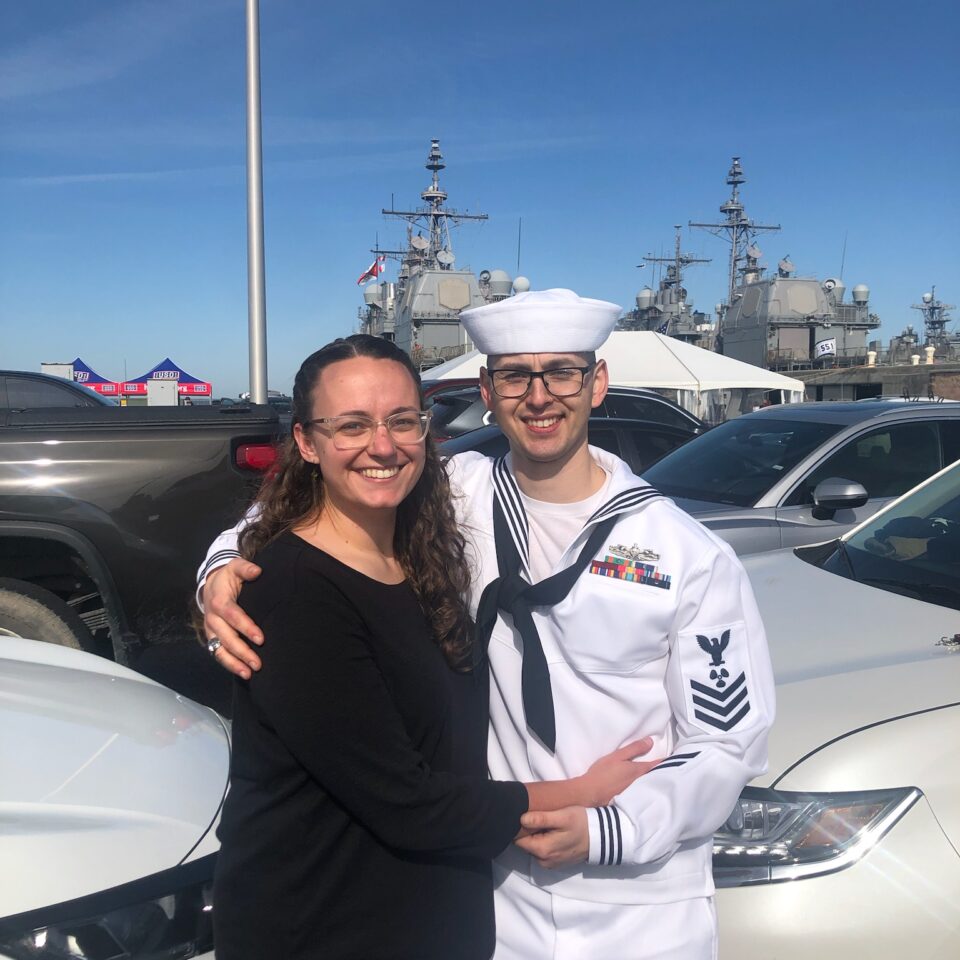



Our ImpactI want the donors to know that their donation, no matter how big or small, is gigantic for the military families that they are supporting.
- Caitlyn Anderson, Military Spouse
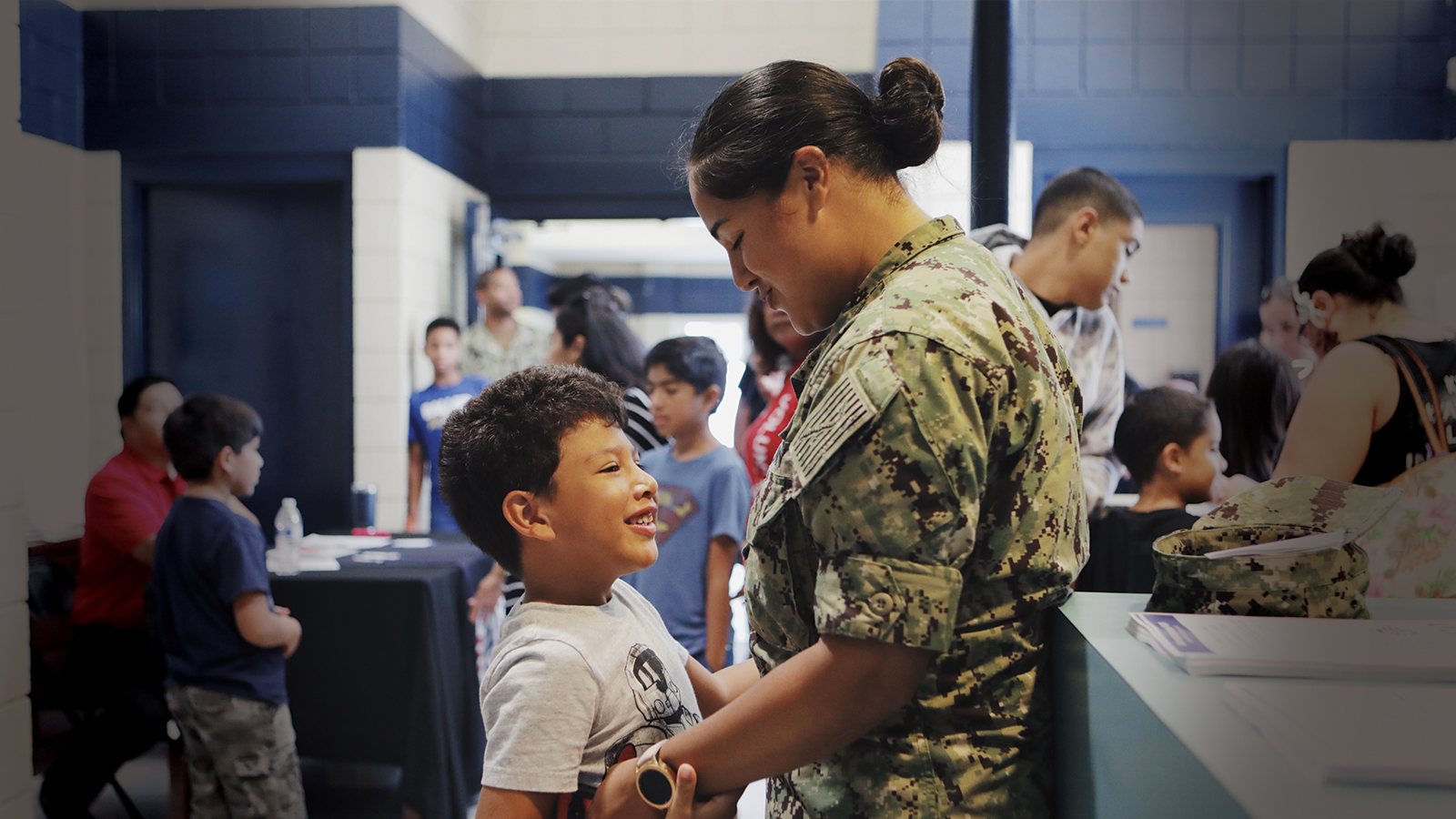
Events
Find an event near you!
Sign up
Sign up for our newsletter to receive all the latest news from Operation Homefront.